
Hair Fall Solutions: A Science-Backed Guide to Regaining Your Crowning Glory


Struggling with hair fall? Don’t despair! This ultimate guide covers the root causes, effective treatments, lifestyle changes, and professional solutions to help you combat hair loss and promote healthy hair growth.
You’re Not Alone
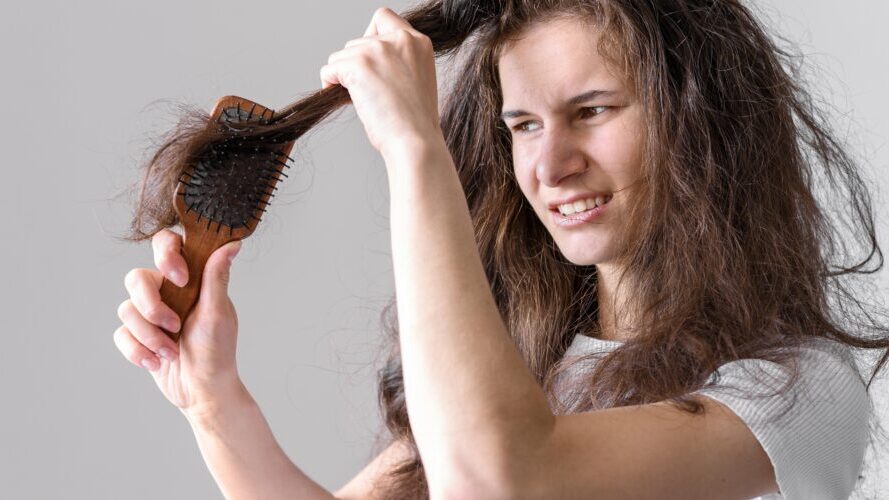
Finding more hair on your brush, in the shower drain, or on your pillow can be alarming. But before you panic, know this: hair fall is incredibly common. Shedding 50-100 hairs a day is normal. It’s when the shedding outweighs the regrowth that it becomes a concern.
The good news? In many cases, hair fall is treatable. The key is understanding the why before jumping to the how. This guide will walk you through the causes, solutions, and habits you need to stop hair fall and nurture your hair back to health.
Part 1: Root of the Problem – Why is Your Hair Falling?
You can’t fix what you don’t understand. Common causes include:
- Nutritional Deficiencies: Lack of Iron, Vitamin D, Vitamin B12, Protein, and Zinc can starve your hair follicles.
- Hormonal Imbalances: Thyroid disorders, PCOS, postpartum changes, and menopause can trigger significant hair loss (Telogen Effluvium).
- Genetic Predisposition: Androgenetic Alopecia (male/female pattern baldness) is the most common cause, driven by genetics and hormones.
- Scalp Health: Dandruff, psoriasis, fungal infections, and excess oil can clog follicles and weaken roots.
- Stress & Lifestyle: High stress (physical or emotional), poor sleep, and crash dieting push hair follicles into a resting phase.
- Mechanical & Chemical Damage: Over-styling with heat, tight hairstyles (traction alopecia), harsh chemicals, and improper hair care routines.
Part 2: Your Action Plan: Effective Solutions & Treatments
A. The Foundation: Diet & Nutrition (You Are What You Eat!)
- Protein Power: Hair is made of keratin (a protein). Include eggs, lentils, chicken, fish, Greek yogurt, and nuts.
- Iron Up: Spinach, lentils, pumpkin seeds, and red meat (consult a doctor for supplements).
- Omega-3 Fatty Acids: They nourish hair and reduce inflammation. Eat flaxseeds, walnuts, and fatty fish.
- Biotin & Vitamins: Sweet potatoes, almonds, avocados, and berries. A balanced diet is often better than isolated supplements.
- Stay Hydrated: Water keeps your hair hydrated from the inside out.
B. Scalp Care: Your Hair’s “Soil”
- Gentle Cleansing: Use a mild, sulfate-free shampoo. Avoid washing with very hot water.
- Regular Exfoliation: Use a scalp scrub once a week to remove buildup and improve blood circulation.
- Nourishing Oils: Massage with warm rosemary oil (studies show it can rival minoxidil), peppermint oil (diluted), or coconut oil. Massage for 5-10 minutes to boost blood flow.
- Treat Conditions: Use anti-dandruff shampoos (with Ketoconazole, Zinc Pyrithione) if needed.
C. Lifestyle Modifications: The Non-Negotiables
- Stress Management: Practice yoga, meditation, deep breathing, or even regular walks. Cortisol (stress hormone) is a major hair fall trigger.
- Quality Sleep: Aim for 7-8 hours. Your body repairs itself, including hair follicles, during sleep.
- Quit Smoking: Smoking restricts blood flow to the scalp, damaging hair follicles.
- Protect Your Hair: Use a heat protectant, avoid tight ponytails, and switch to a silk/satin pillowcase to reduce friction.
Part 3: When to Seek Professional Help & Medical Treatments
If lifestyle changes don’t slow down hair fall after 3-4 months, consult a Dermatologist or Trichologist.
- Prescription Topicals: Minoxidil (Rogaine) is an FDA-approved OTC treatment that stimulates hair growth.
- Oral Medications: Finasteride (for men, prescription-only), Spironolactone (for women, for hormonal hair loss).
- Treat Underlying Conditions: Managing thyroid, PCOS, or anemia is crucial.
- Advanced Therapies:
- PRP (Platelet-Rich Plasma): Your own growth factors are injected into the scalp to stimulate follicles.
- LLLT (Low-Level Laser Therapy): Lasercaps or combs that use light energy to boost cell growth.
- Hair Transplant: A permanent surgical option for genetic baldness.
Part 4: Myths vs. Facts: Let’s Bust Common Hair Fall Myths
- Myth: Washing hair daily increases hair fall.
Fact: You shed the hair that was already ready to fall. Cleaning your scalp is healthy. - Myth: Cutting hair makes it grow faster and thicker.
Fact: It only removes split ends, making hair look fuller and healthier. - Myth: Only men experience genetic hair loss.
Fact: Female Pattern Hair Loss affects millions of women. - Myth: All supplements stop hair fall.
Fact: They only help if you have a deficiency. Excess can sometimes cause more harm.
Conclusion: Patience & Consistency are Key
Hair growth is a slow cycle. No solution works overnight. Give any new regimen at least 3-6 months to see results. The journey to healthier hair is a combination of internal wellness, external care, and, when needed, professional guidance.
Start by auditing your diet and stress levels, be kind to your scalp, and handle your hair with care. Your crowning glory can make a comeback!
Disclaimer: This article is for informational purposes only and is not a substitute for professional medical advice. Always consult with a qualified healthcare provider for diagnosis and treatment.