
Your Journey to a Healthier You: A Sustainable Weight Loss Diet Guide

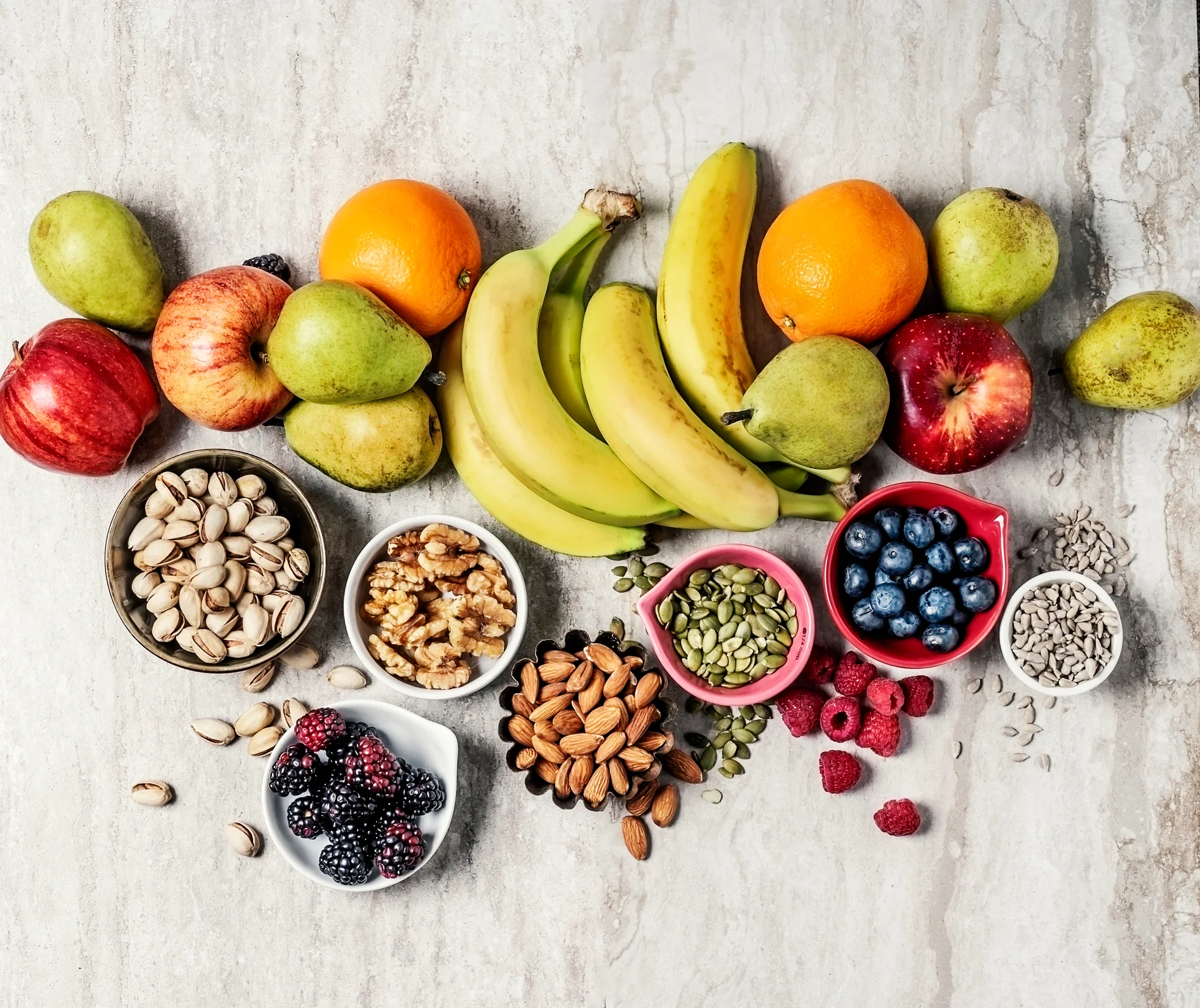

Let’s be honest: the world of weight loss is noisy. Fad diets promise miracles, quick fixes fail, and conflicting advice leaves you feeling lost. But what if sustainable weight loss wasn’t about drastic restriction, but about building a nourishing, enjoyable relationship with food?
This guide focuses on principles, not prison sentences. It’s about creating a diet that fuels your life, not one that makes you miserable.
1. The Foundation: Mindset Shift First
Before we talk food, let’s talk mindset. Shift your goal from “losing weight” to “gaining health.” This reframes your journey. You’re not depriving yourself; you’re choosing foods that give you energy, improve your mood, and help you feel strong. Be patient and kind to yourself. Progress over perfection is the mantra.
2. The Plate Principle: Your Visual Guide to Every Meal
Forget counting every calorie. Use this easy visual:
- ½ Plate Non-Starchy Vegetables: Spinach, broccoli, peppers, carrots, zucchini, salad greens. These are high in volume, fiber, and nutrients, but low in calories. They fill you up!
- ¼ Plate Lean Protein: Chicken breast, fish, tofu, tempeh, legumes, eggs. Protein is essential for building muscle, keeping you full, and boosting metabolism.
- ¼ Plate Complex Carbohydrates: Quinoa, brown rice, sweet potato, oats, whole-wheat pasta. These provide sustained energy and are packed with fiber.
3. Foods to Embrace: Your Weight-Loss Allies
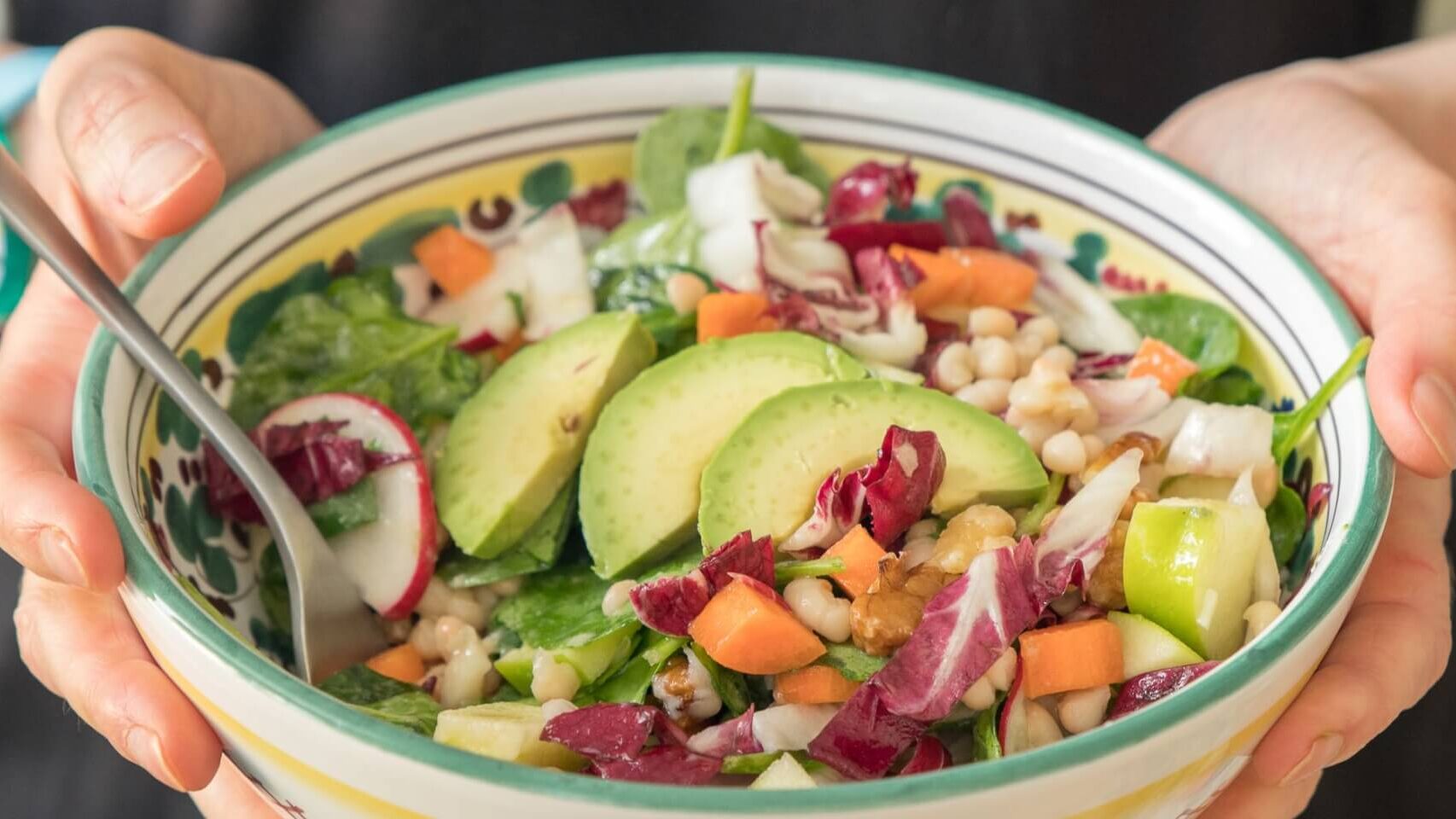
- Fiber is Your Friend: Found in veggies, fruits, legumes, and whole grains. It slows digestion, controls blood sugar, and keeps you satisfied.
- Healthy Fats are Essential: Avocado, nuts, seeds, olive oil. They help absorb vitamins and keep you satiated. Don’t fear them!
- Hydration Hero: Water! Often, thirst is mistaken for hunger. Drink a glass before meals and aim for 2+ liters a day.
- Smart Swaps: Greek yogurt for sour cream, zucchini noodles for pasta, air-popped popcorn for chips.
4. Habits Over Restrictions: Build Your Toolkit
- Plan & Prep: Spend an hour on the weekend washing veggies, cooking grains, and portioning proteins. A little prep prevents desperate, unhealthy choices on busy weeknights.
- Eat Mindfully: Turn off screens, chew slowly, and listen to your body’s hunger and fullness cues. Are you eating because you’re stressed or actually hungry?
- Don’t Skip Meals: This often leads to overeating later. Aim for 3 balanced meals and 1-2 healthy snacks if needed.
- Read Labels: Watch for hidden sugars and excessive sodium in packaged foods.
5. Sample Day of Eating (Ideas to Get You Started)
- Breakfast: Greek yogurt with berries and a sprinkle of chia seeds OR a veggie omelet with spinach and mushrooms.
- Lunch: Large salad with grilled chicken, lots of colorful veggies, avocado, and a lemon-tahini dressing. Or, leftovers from dinner!
- Dinner: Baked salmon with a quinoa pilaf and a big side of roasted broccoli and asparagus.
- Snacks: Apple with almond butter, carrot sticks with hummus, a handful of almonds.
Remember: You Are Unique

There is no one-size-fits-all diet. What works for your friend may not work for you. Pay attention to how different foods make you feel. Consider food sensitivities, activity levels, and personal preferences.
The goal is not to follow a temporary diet, but to build a lasting, healthy lifestyle. Be consistent, be compassionate with yourself, and celebrate the non-scale victories: more energy, better sleep, clearer skin, and feeling stronger.
Ready to start? Pick one tip from this article—like adding an extra serving of veggies to your dinner—and implement it this week. Small steps lead to big changes.
Disclaimer: Always consult with a healthcare provider or a registered dietitian before starting any new diet plan, especially if you have underlying health conditions.