
Heart Attack: Causes, Symptoms, Prevention, and Life-Saving Tips

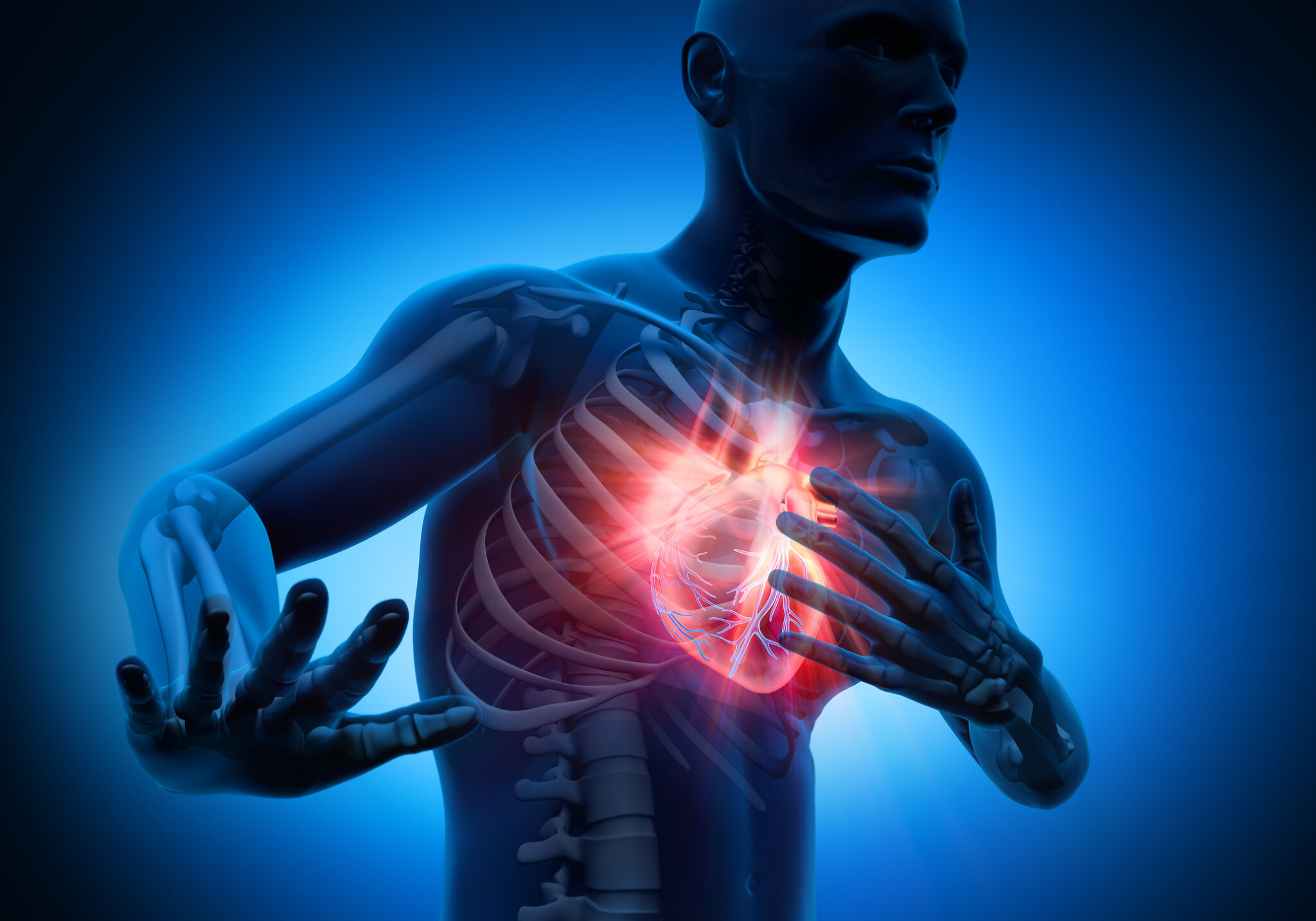
A heart attack, medically known as myocardial infarction, is one of the leading causes of death worldwide. It occurs when the blood flow to the heart muscle is suddenly blocked, preventing oxygen from reaching the heart. Without immediate treatment, this can cause serious damage or even be fatal. Understanding heart attacks can help save lives.
What Is a Heart Attack?
A heart attack happens when one or more coronary arteries become blocked, usually due to a buildup of fat, cholesterol, and other substances known as plaque. When the plaque ruptures, a blood clot forms and stops blood flow to the heart muscle.
Common Causes of Heart Attack
Several factors increase the risk of a heart attack, including:
- High blood pressure
- High cholesterol levels
- Smoking and tobacco use
- Diabetes
- Obesity
- Lack of physical activity
- Excessive stress
- Unhealthy diet
- Family history of heart disease
In recent years, heart attacks have also been observed in younger adults due to poor lifestyle habits.
Symptoms of a Heart Attack
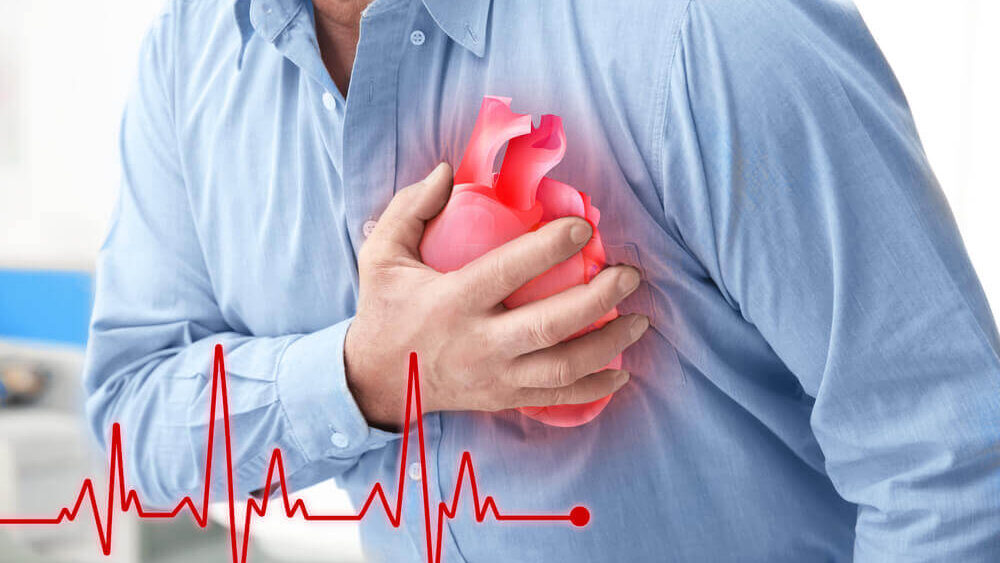
Heart attack symptoms can vary from person to person. The most common symptoms include:
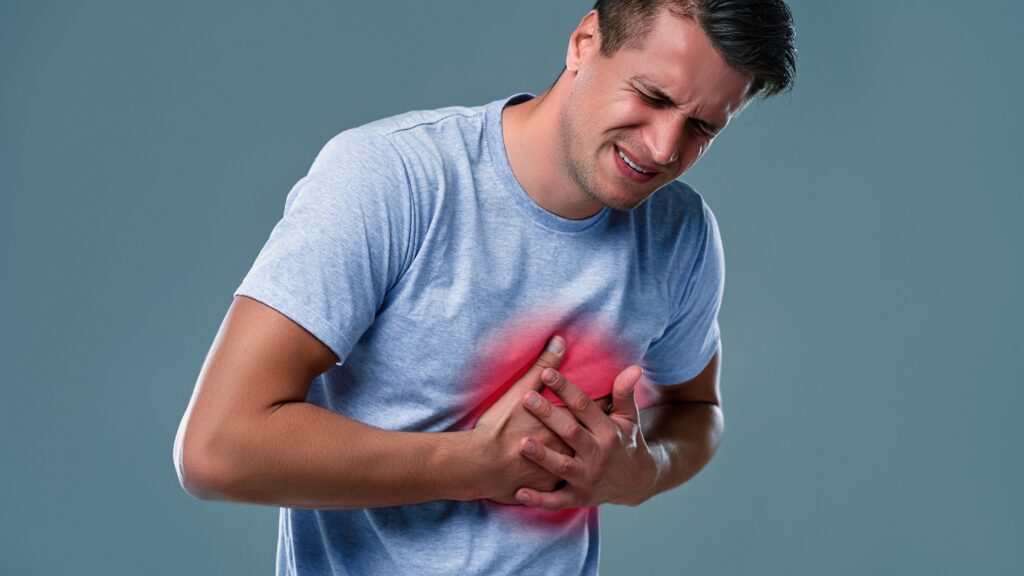
- Chest pain or discomfort (pressure, tightness, or squeezing)
- Pain spreading to the left arm, shoulder, neck, jaw, or back
- Shortness of breath
- Cold sweat
- Nausea or vomiting
- Dizziness or fainting
- Extreme fatigue
⚠️ Important: Some heart attacks are “silent,” especially in women and diabetics, with mild or unusual symptoms.
What to Do During a Heart Attack
If you or someone nearby shows signs of a heart attack:
- Call emergency services immediately
- Keep the person calm and seated
- Loosen tight clothing
- If prescribed, help them take nitroglycerin
- If unconscious and not breathing, begin CPR
Quick medical action can save a life.
Prevention: How to Reduce the Risk of Heart Attack
You can lower your risk by adopting healthy habits:
- Eat a balanced diet rich in fruits, vegetables, and whole grains
- Avoid fried, processed, and sugary foods
- Exercise at least 30 minutes a day
- Quit smoking and limit alcohol intake
- Manage stress through meditation or yoga
- Monitor blood pressure, sugar, and cholesterol regularly
- Maintain a healthy weight
Life After a Heart Attack
Recovery after a heart attack involves lifestyle changes, medications, and regular follow-ups with a doctor. Cardiac rehabilitation programs help patients regain strength and reduce future risk. With proper care, many people live long and healthy lives after a heart attack.
Conclusion
A heart attack is a serious medical emergency, but it is often preventable. Awareness of symptoms, quick action, and healthy lifestyle choices play a vital role in protecting heart health. Take care of your heart today—it works hard for you every second.